Movember Brings Moustaches to the TEFL Classroom
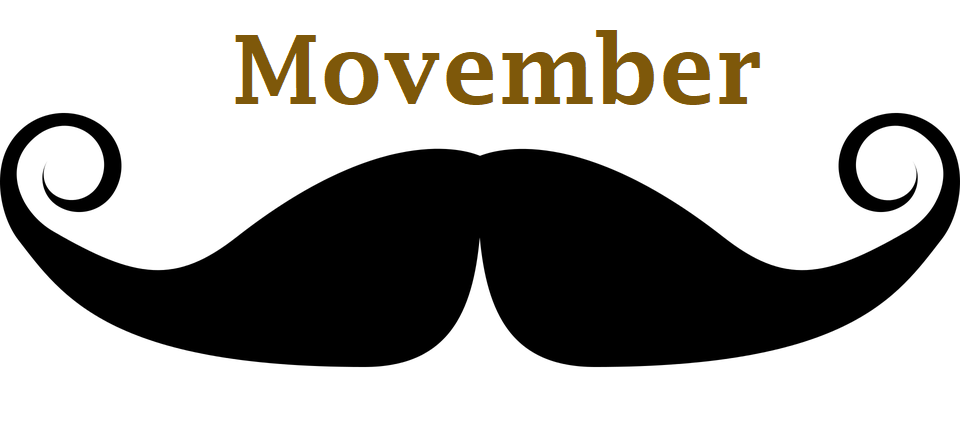 Happy Movember everyone! Movember is the annual moustache-growing charity event that takes place every November. The Movember Foundation raises funds to support the fight against men’s cancers, while raising awareness for men’s health.
Many universities and colleges are joining in the event this month with students either growing their own moustache or wearing a false one. As English language teachers, we can get in on the act by raising awareness for the charity event in our lessons.
We hope many of you are enjoying this famous November event and wearing your ‘taches with pride. Now where is my stick-on curly ‘Poirot’?
Header image: Pixabay
Movember EFL Lesson Ideas
Movember is a great month filled with mustachioed antics, all held in support of a fantastic cause. A creative way to involve your EFL class with the campaign is to discuss facial hair trends in the UK – or trends in the country where you are teaching.
Think about hair trends throughout the ages, from full beards to twirly moustaches, designer stubble and goatees (we miss those 1970s ‘taches!)
It is interesting to see the decline in facial hair in UK culture. Fashion dictates what kinds of moustache or beard are trendy. At the moment, full beards are making a big comeback and many famous men are sporting a proud beard, including Prince Harry. In more recent years, Prince William has also rocked his own beard.
A beard can certainly be a stylish way to bring more structure to a man’s face. However, lone moustaches just don’t seem to be hip (sorry, mustachioed language buddies) – but they certainly can be. Check out these pictures for examples of past masterly moustaches:
Here is the actor Tom Selleck playing Magnum, the famous 1970s TV detective, rocking a full ‘tache:

And of course Liverpool football star Ian rush, in his heyday:

ITV’s dapper private detective Poirot is one the most famous curly handlebar moustache wearers:

There are even competitions devoted to the best beards and moustaches. These guys take moustache and beard growing to amazing lengths – literally – and spend hours grooming their facial hair to perfection.
If you are thinking of growing a moustache for Movember, or if you are looking for a stylish stick-on variety, you can get great inspiration from the annual World Beard and Moustache Championships.
The competition this year is presented by the Mad Viking Beard Club Pennsylvania in collaboration with the World Beard and Moustache Association.
The WBMA believes that “all facial hair related events should encourage friendship among those with facial hair and those who appreciate it”. We love the sound of that!
In fact, just as we thought that beards are back and moustaches are passé, there are rumours that the tables could be turning…
There have been reports that suggest the recent rise of the full beard is over and ‘taches are set to be the next big thing in facial hair fashion. So keep your eyes peeled for celeb moustaches over the coming months…
Beard and Moustache Vocabulary
English vocabulary related to beards and moustaches is rich and varied. Not only is facial hair an interesting area of study for reasons of social and fashion history, it is also a topic rife with great new English vocabulary.
For example, here are a few choice words related to facial hair which are ideal contenders for slipping into a gap-fill exercise, comprehension article, crossword puzzle or bingo game in your next English language class:
| Beard | Chin |
| Full beard | Facial hair |
| Goatee | Side burns |
| Moustache | Stubble |
| ‘Tache / mo | ‘Designer’ stubble |
| Handlebar moustache | 5 o’clock shadow |
| to shave | Aftershave |
| Shaving cream / foam | Clean shaven |
| Razor blade | Trim |
| Disposable razor | Grooming |
| Electric razor | Smooth / rough |
Beard and Moustache Idioms
There are quite a few idioms, sayings and phrases related to facial hair in English. From “keeping your hair on” to having “beard envy”, let’s explore some English idiomatic phrases related to beards:
“Not by the hair of my chinny chin chin” – absolutely not; a firm refusal. This is a line from the fairy tale The Three Little Pigs.
“To beard the lion in his den” – to confront someone powerful or intimidating on their own territory.
“Keep your hair on” – stay calm; don’t get angry.
“Grow a pair of whiskers” to become braver or more assertive.
“Long in the beard” – someone or something is old or outdated. This is a twist on the phrase “long in the tooth”, which has the same meaning.
“Beard envy” – admiring someone else’s impressive beard.
“Beard goggles” – when a beard makes someone look more attractive than they might without it (this plays on the phrase “beer goggles” which means someone appearing more attractive after a few beers!)
“Fear the beard” – slang used for intimidating bearded men, especially athletes.
“Beard game strong” – slang phrase meaning someone has an especially good, full and well-groomed beard.
“A beard” – slang expression for someone (usually a woman) who hides someone else’s (usually a man’s) sexuality or secret relationship by pretending to be their partner.
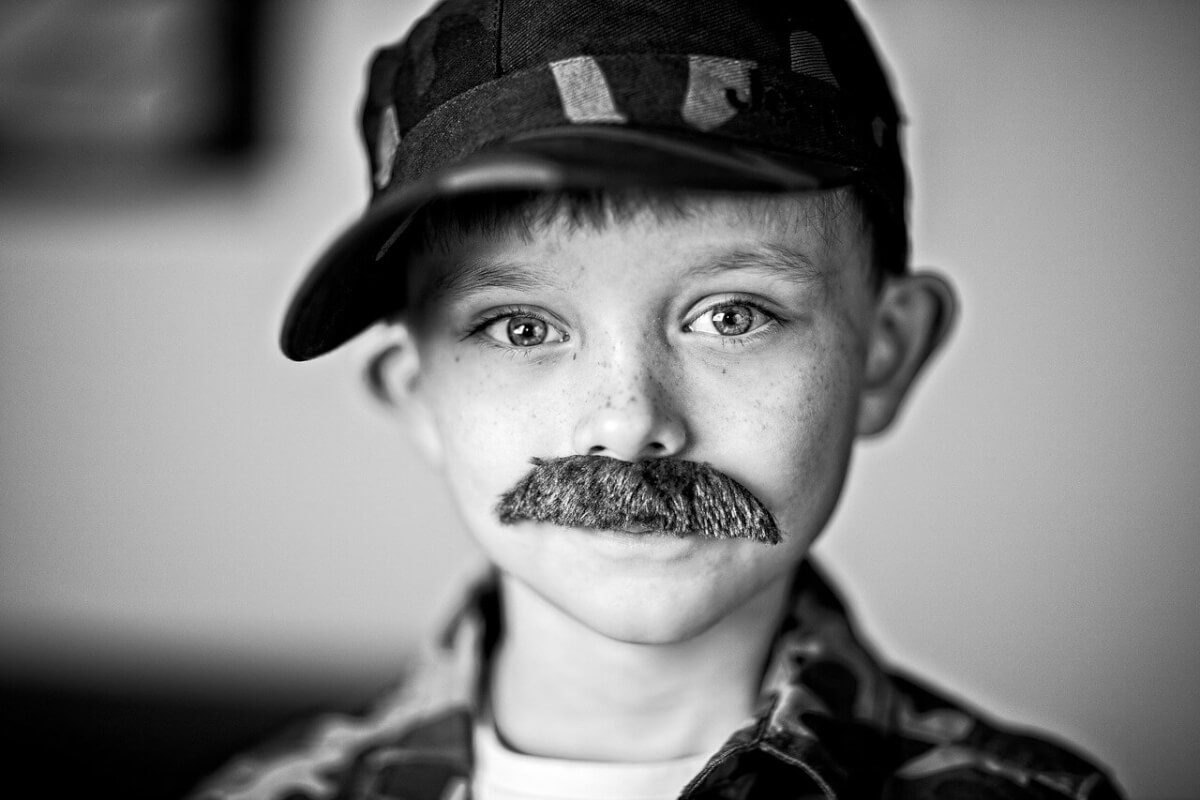
How to Present Beard Vocabulary
Many new teachers ask how to present new words in a language class. You could bring in pictures to give students the opportunity to discuss celebrity beards and facial hair.
This class could also be used as a springboard to talk about appearance in general, such as facial features or to teach vocabulary about clothes.
This is useful as a class topic for beginners but it can also be used in an advanced language class to discuss other related themes, using more sophisticated words and phrases or slang terms.
Practice and Production
After teaching vocabulary, students can practise the words and phrases in sentences and create their own story using spoken or written sentences.
This could also be a good way to introduce some humour into the class as students describe a selection of impressive dream beards!
This gives students the chance to add their own descriptive words to enliven their stories, such as colours, textures, lengths and shapes.
Another lesson idea is to present students with a gap fill challenge, so they can complete sentences using the right words. This gap fill exercise below lets students practice and produce the vocabulary:
Beards and Moustaches EFL Gap Fill Exercise
Fill in the blanks with the correct word from this list:
moustache, goatee, stubble, sideburns, beard, clean-shaven
- He hasn’t shaved for a few days, so he has a light ________ on his face.
- Some men like to have a thin ________ just on their chin.
- She said he looks younger when he is completely ________.
- He grew a full ________ during the winter.
- His long ________ reach down to the middle of his cheeks.
- He twisted his ________ with wax to give it a fancy curl, just like Poirot.
Answers:
- stubble
- goatee
- clean-shaven
- beard
- sideburns
- moustache
Share your thoughts
What are you doing for Movember?
Is your school, college or university participating in any fund raising events?
Have you grown your own ‘mo’ – real or false?
Teachers, can you think of any more beard-related vocabulary to add to the list for a Movember themed EFL lesson?
🌍 Looking for more meaningful classroom topics?
Explore our Awareness Days & Global Campaigns section to find real-world themes, thought-provoking discussion questions, and topical vocabulary for your next lesson.
Attributions
- Tom Selleck, May 1984, filming Magnum P.I. at the Kahala Hilton hotel. Photo by Alan Light via Flickr [CC BY 2.0]
- Ian Rush (this image has been cropped), Photo by Croes, Rob C. / AnefoCropped by Danyele [CC BY 4.0], via Wikimedia Commons.