
Essay Writing
 Academic Essay Writing

Essay writing in English is a particular skill that requires practice. Writing for academic essays and theses will always be different from writing for other purposes. This page will help you understand what makes a good essay, how to plan and structure your ideas and how to write clearly and effectively in English.
We’ve included some practical tips on organising paragraphs, linking ideas and using academic language, along with tips on information gathering and writing introductions and conclusions.
English language for writing essays is formal and subject specific. This means that the type of language will be acceptable for a literary review may not work so well in a scientific analysis.
Non-native English students may find academic essay writing to be more difficult from regular writing, although some may find the more formal style easier to create, as it is more structured than creative writing.
Header image: Pexels
Writing in the Third Person
When writing essays, it is best to stick to writing in the third person, so use the phrase: “This essay will address the issue of …”, rather than “I will address the issue of …”.
However, this can often just be a matter of personal preference or a preference in your university style guidelines.
The most important thing with academic essay writing is to be consistent. So, once you have decided on how you will write your essay, stick with the same style throughout.
Essays, Dissertations and Theses
Academic essays come in the shape of regular essays, perhaps 1,500 to 2,500 words long, dissertations of up to 20,000 words long, and then longer theses, which can be 80,000 long or more if it’s a PhD thesis.
For longer dissertations and theses, these are research papers that require in-depth research. For shorter essays of a few thousand words, the research might not be so extensive, but they still need thorough background study if they are to be strong essays.
We have gathered some tips for essay writing below, which should be valuable for EFL students tackling any essay topic and looking to structure an essay:
Analyse the Essay Question
Firstly, you need to identify the subject of the question and think about what kind of information you are going to need to answer it. It is very important to have a thorough understanding of just what the essay question is asking you to do.
When writing an essay, you shouldn’t write generally about the topic, but try to direct and develop your argument. Keep the essay title in your mind all the time and this will guide your writing.
Researching and Gathering Information
All academic essays require a certain amount of research or information gathering. Even if you are not writing a long research assignment, you still need to gather your own information from notes you have made and organise them into sections. These will create your paragraphs.
When essay writing, a useful way to gather your thoughts is to try brainstorming. This is an activity where you write down everything you can think of that relates to the subject of your essay. Even the crazy ideas. When brainstorming you should allow your creative thoughts to flow freely without restriction.
Afterwards, you go through all the ideas from your brainstorming session and develop them, forming links and turning them into a possible essay plan.
Creating an Essay Outline
Begin your essay outline by writing your question at the top of the page so you are immediately focused. Next, write your main ideas, spaced out and numbered, down the page.
Your ideas need not be perfectly arranged yet, it is simply important to get everything you want to say down on paper. These are the “bones” of your essay: the important statements you want to make.
After your research has been summarised like this, you need to expand on these notes. As you develop your argument, a natural section order will emerge and you may find yourself rearranging paragraphs. In doing this, you have formed an outline for your essay.
Academic essay writing is a highly structured process as well as a creative process. Structuring an essay properly is vital in order to make sense of your ideas – your argument needs to flow properly.
All sources also need to be referenced consistently according to your department’s style guide. There are numerous different referencing formats all with their own particular styles.
If you are unsure about your academic English, you can also ask us to edit your essay to make sure your spelling, grammar and sentence structure are correct and suitable for academic style.
How to Structure an Essay
As a general rule, an essay or dissertation will follow a set structure. The longer a dissertation or thesis, the more chapters will be included in the main body of the work. Regular essays won’t have separate chapters, as they are too short.
Essay structures include the following parts:
The Introduction
An academic essay will always begin with an introduction. This is a paragraph (or multiple paragraphs for a longer academic piece) that introduces your topic and the main themes that it will cover.
The introduction is where you set up your background and form your “thesis statement”, which is the main argument of your essay.
The introductory paragraph should not be too long, it needs to be concise but contain all the necessary information to provide a solid basis for the next stage of your essay.
The Thesis Statement
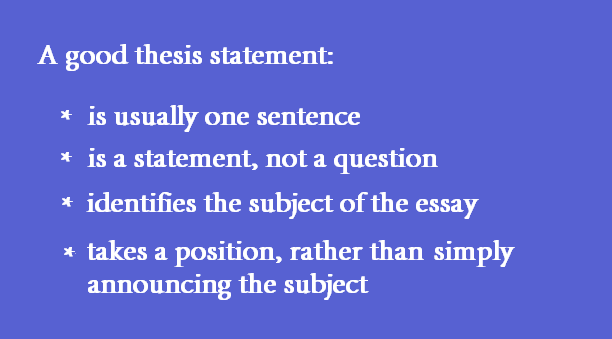
A sensible essay structure needs a solid thesis statement – this is the specific question or issue you’re going to examine in your essay.
The thesis statement should come at the end of your introduction, so as to set the stage for the main body of your essay. This statement will tell the reader exactly what you will be trying to find out or explore in the essay.
The Literature Review
In a longer piece of academic research, such as a Master’s dissertation or PhD thesis, after the introduction comes the literature review. The literature review is a review of the important literature that has already been published on the subject.
The literature should include the main points that have already been discovered and the most important writers writing about your topic. You should also state how your work will fit into existing research, complement it and expand the current knowledge on the subject.
International students may have specialist knowledge of research from their home country, which could be useful when writing the literary review, especially for scientific essays and research papers.
If your academic essay or dissertation is shorter, your literary review will be shorter. In an alternative essay structure, you might assess other pieces of work within the main body of your essay.
Shorter academic essays still need to acknowledge important works on the same topic. But instead of being included in a separate literature review, these references might appear throughout the essay at appropriate moments.
If well known arguments and opinions aren’t discussed or at least acknowledged at all in your essay, it will feel unfinished and suggest a lack of topic knowledge.
The Main Body
The main body of your essay is where you start to examine your ideas in relation to other work and develop your own argument.
The length of the main body will depend on your exact assignment and the aims of your research. This main section could range in length from three or four paragraphs to many chapters.
Your essay structure should be well ordered with each chapter or section spaced out into paragraphs. Each paragraph of the main essay body should build on the previous paragraph in order to develop your argument.
Each paragraph should keep relevant to your thesis statement and each section needs to address different issues that relate to the main focus of the essay.
The Conclusion
When structuring your essay, the conclusion always comes at the end. This section summarises the findings in your essay and relates them back to the introduction.
The conclusion should explain how you have succeeded in your aims in answering your original thesis statement or question.
Be careful not to repeat exactly the same points from your introduction in the conclusion. The end should summarise your main findings and explain how the essay answers the questions posed in the introduction.
Don’t worry if you haven’t reached a solid opinion at the end of your conclusion. An essay won’t always finish with a definitive answer to a question.
Your conclusion can instead simply bring together the findings of your essay and offer some kind of closure. To do this, the conclusion might pose another related question or it might simply conclude that no answer is possible.
Appendices
The appendix (or appendices if more than one) is where you put all of your supporting materials.
The appendices will include interview transcripts, graphs, maps, charts, and any further information that is relevant to your essay but not included in the main body.
Referencing
The reference section of your essay is a list of all the sources cited in the essay. This is your bibliography. You need to reference every source you have used or taken ideas from, otherwise you will be committing plagiarism.
There is a format for listing different types of sources – the exact requirements of this format will depend on your institution and your subject of study.
See our referencing section for more information on academic referencing, how to reference academic work and the common referencing formats used.
Still unsure? You could always hire a specialist editor for non-native English to proofread and edit your work. They could also help with essay structure and natural language usage. Get in touch to find out more.
Share your thoughts on essay writing
What do you find most difficult about academic essay writing?
Do you have any tips for writing academic essays?
Let us know your ideas in the comments.