
Language Foundations
 English Language Foundations: Numbers, Time, Colours, Shapes & Directions
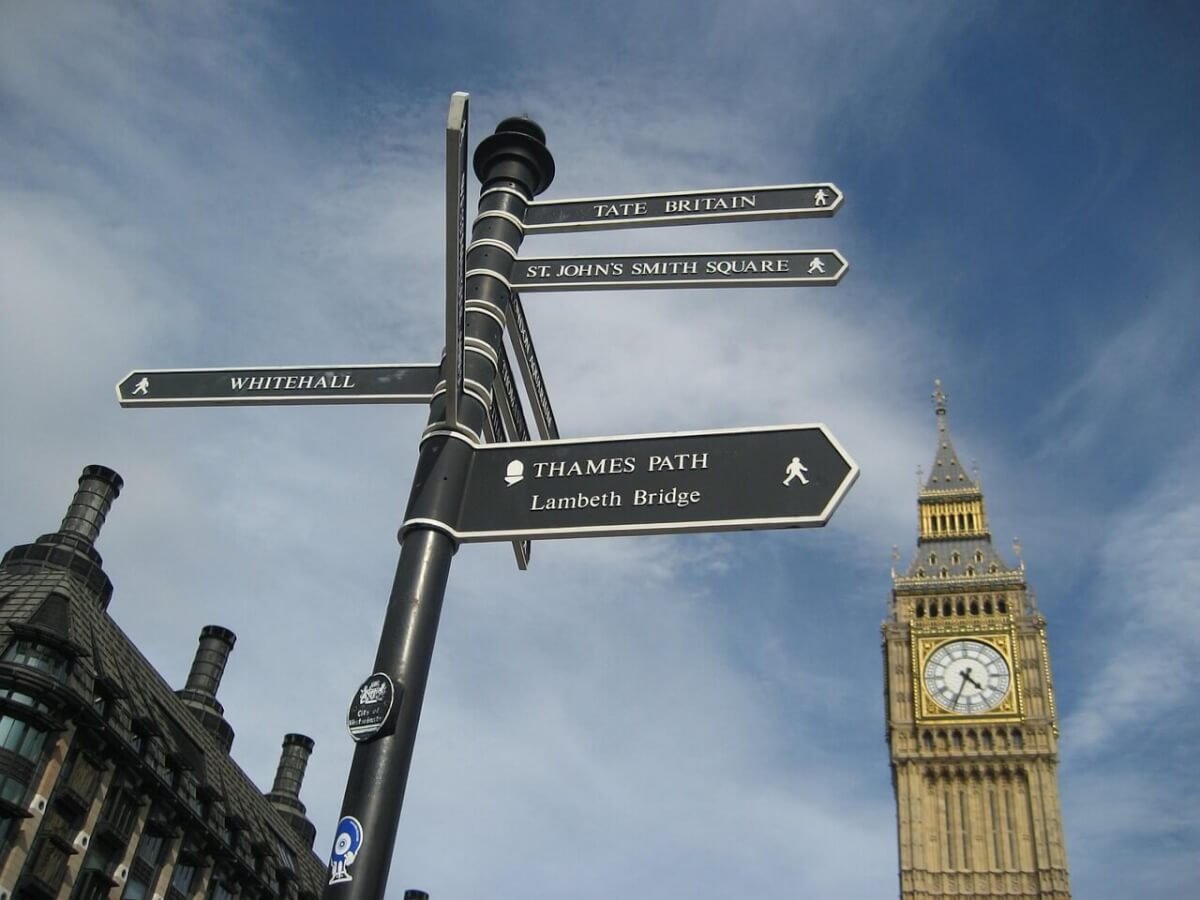
Welcome to our Language Foundations vocabulary hub. Every English speaker starts with the essential building blocks of everyday communication. That could be catching a bus, asking for directions, shopping for clothes or describing the world around you. These core topics give you the words you need from day one.
Explore our beginner-friendly guides below to get to grips with practical English vocabulary, and learn useful prepositions and adjectives in context. Plus, we have a few ideas for engaging classroom activities for TEFL lessons.
Explore All Language Foundations Vocabulary Guides
Browse our essential starter word lists, everyday phrases and TEFL teaching ideas below.
Directions
Learn how to ask for and give clear directions in English. Explore prepositions of place, movement verbs and everyday street landmarks so you never get lost.
Telling the Time
Master both digital and analogue clock phrases in British and American English, including o’clock, half past and quarter to, talking about schedules and daily routines.
Numbers
Build confidence counting, reading prices, saying phone numbers and using ordinal numbers (first, second, third) for dates, floors and rankings.
Colours
Go beyond basic primary colours to describe shades, tones and patterns. Plus, explore colourful English idioms like out of the blue and green with envy.
Shapes & Sizes
Describe objects accurately using everyday 2D and 3D shape names alongside useful size adjectives and measurement terms for shopping, packaging and daily life.
Build Core English Skills in the Classroom
Learners can memorise beginner and elementary vocabulary best when it’s used actively in visual, hands-on tasks. Try these practical TEFL classroom ideas to combine topics across this hub:
- Town Map Navigation: Students use a simple street map in pairs. One student directs their partner from the train station to a café, museum or park using clear direction phrases and landmarks.
- Describe the Mystery Object: The teacher places everyday items in a bag or shows flashcards. Learners have to describe an object using its colour, shape and size without naming what it is.
- Daily Schedule & Clock Race: The teacher calls out times in natural spoken English (such as “twenty past four” or “quarter to nine”) while students draw the hands on blank clock faces or arrange a daily timetable.
- Number & Price Bingo: Practise difficult number pairs (like thirteen vs. thirty) and real-world prices by running a classroom listening bingo or mock shop roleplay.
Share Your Thoughts & Classroom Ideas
We’d love to hear from teachers and learners around the world. Join the discussion in the comments below!
- For English learners, which foundational topic was hardest to get used to – telling the time with past and to, big numbers or following street directions?
- Are there any colour idioms or number expressions in English that work completely differently in your first language?
- Teachers, what are your go-to games or visual props for keeping beginner lessons fun and engaging when teaching numbers, time and directions?