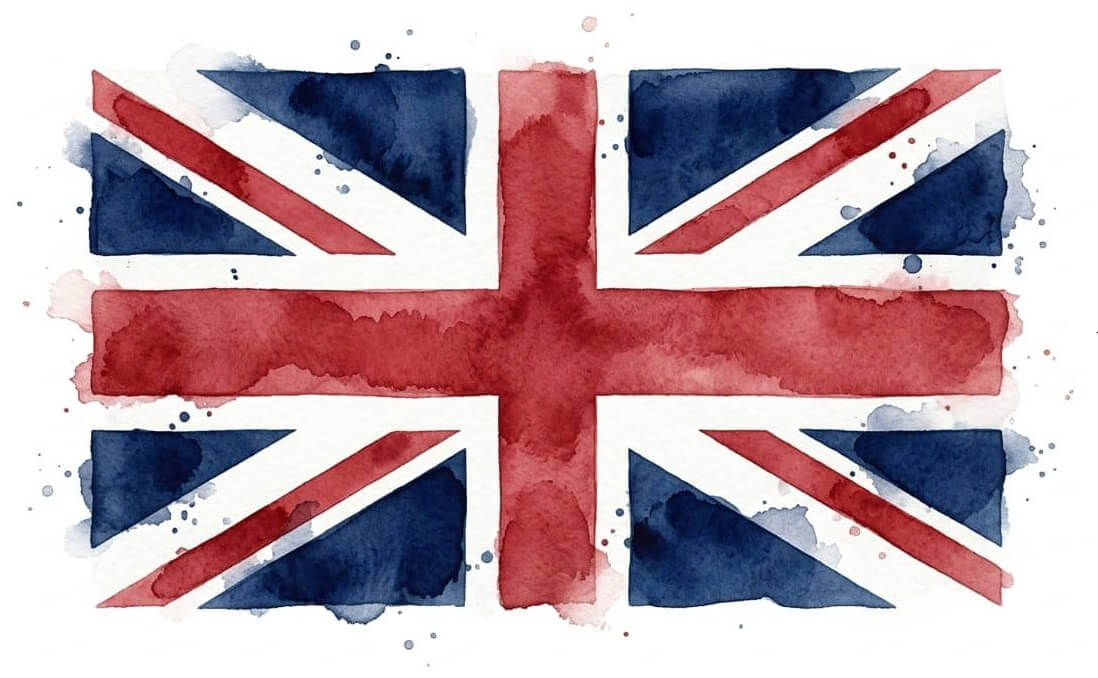
Remember, Remember, the Fifth of November!

Remember, remember, the 5th of November! Bonfire Night is the time people in the UK light bonfires, eat toffee apples and set off fireworks, as we remember the night that Guy Fawkes nearly blew up the Houses of Parliament.
This annual celebration is always an exciting time of year, giving students a great opportunity to learn some Bonfire Night vocabulary in another seasonal EFL class. Check out our fun Bonfire Night lesson plans for poems, pronunciation practice, discussions and gap fill challenges, all filled with words, phrases and history about the fascinating Gunpowder Plot – a lesson to thrill Guy Fawkes fans!
Header image: Pexels
Bonfire Night Vocabulary
Students can learn all about Bonfire Night and practise new vocabulary at the same time with a gap fill exercise. First, have a brainstorming session to think of Bonfire Night vocabulary, then introduce new words alongside the story of Guy Fawkes and the gunpower plot.
Here is some vocabulary related to the gunpowder plot:
| Gunpowder | To blow up | Explosion | Plot |
| Houses of Parliament | Assassinate | Guy Fawkes | To find out |
| To be arrested | Police | Punishment | Execution |
| Effigy | Bonfire | Fireworks | Toffee apples |
Guy Fawkes EFL Lesson – Gap Fill
We’ve prepared an interesting article below all about Guy Fawkes and the Gunpowder Plot. Teachers can turn this into a gap fill exercise by removing some of the vocabulary taught earlier in the lesson.
We have underlined some suggested words for teachers to remove from the text, so students can fill in the blanks to practise their Bonfire Night vocabulary.
If you’re using this as a self-study exercise, make sure to pay close attention to the important words and notice how they are used in the flow of the article.
Guy Fawkes and The Gun Powder Plot
The Plot
On 5th November 1605 a group of Catholics hatched a plot to blow up the Houses of Parliament. The group wanted to assassinate the Protestant King (James I) and replace him with a Catholic monarch. This plan is known as the ‘Gunpowder Plot’. The leader of the group was called Robert Catesby but the most famous plotter we all remember was Guy Fawkes.
The group put 36 barrels of gunpowder in the Houses of Parliament and waited for the King to arrive. Guy Fawkes was in charge of lighting the fuse to the gunpowder, which would cause the explosion.
Guy is Discovered and Arrested
Unfortunately for Guy, someone found out about the plot and told the police. The police discovered Guy with the gunpowder. Guy was arrested and tortured. All the men involved in the plot were sentenced to death by one of the most horrible methods.
Their punishment was to be ‘hanged, drawn and quartered’, which was a horrifying method of execution. The guilty person was drawn behind a horse to their place of execution, hanged by the neck and their body cut into quarters while they died.
Bonfires and Fireworks
On November 5th British people remember the spectacular attempt to blow up the Houses of Parliament by celebrating Bonfire Night. All over Britain people hold firework displays, build bonfires and create effigies of Guy Fawkes, which are traditionally burned on the bonfires. This is rarely done nowadays and is a little controversial with some people thinking burning effigies is too macabre.
‘Penny for the Guy’
These Guy Fawkes effigies are made out of old clothes filled with crumpled newspaper so the result looks like a person. Traditionally, children display their Guys to others and ask for money with the phrase “a penny for the guy”.

Bonfire Night Food and Drink
Because Bonfire Night is in November and people spend time outside with the bonfire and fireworks, the food eaten tends to be warming and easy to eat.
Classic Bonfire Night food includes autumnal favourites like jackpot potatoes with butter and cheese, baked beans, beef burgers, sausages, hot dogs, tomato soup, roast chestnuts, toasted marshmallows, and toffee apples. Hot drinks will be plentiful too, such as hot chocolate, coffee and mulled wine.
Gingerbread, ginger cake, fudge and toffee are other sweet foods traditionally eaten on Bonfire Night. Food is often eaten standing up while watching the fireworks display. These tasty foods and drinks are perfect for keeping everyone energised and warm in the chilly night air!
Gunpowder Plot Rhyme
From 1606, every November 5th the King ordered that there should be a sermon to remind people of the Gunpowder Plot and how treason would be punished and never forgotten. There is a famous rhyme associated with Bonfire Night:
“Remember, Remember, the fifth of November,
Gunpowder, treason and plot,
I see no reason why gunpowder treason
Should ever be forgot”
To modern ears, the word “forgot” here sounds like a mistake. We would say “forgotten”. However in old English grammar, the word “forgot” was the past participle of “forget”. It also works for poetic effect to rhyme with the word “plot”.
This rhyme can be used as a pronunciation activity. Teach a line at a time and slowly build it up until the class can say the whole rhyme all together.
The full rhyme can be found here at the ‘Poem of the Week’ website: http://www.potw.org/archive/potw405.html

Fireworks Displays
As part of the celebrations, people let off fireworks to symbolise the gunpowder plot. These fireworks shoot into the sky displaying brightly coloured sparks. Some fireworks are pretty and others are loud.
There are a few famous fireworks called rocket, Catherine wheel, Roman candle, and fountain. Children also hold sparklers, which are long sticks with a coloured spark at the end, which fizzes as you swirl the sparkler around in the air. It’s fun to draw letters and shapes in the dark!
The EFL class can discuss a few ideas about firework safety, discussing themes such as:
- The age which children can buy fireworks (18 in the UK)
- The importance of keeping pets indoors
- The preference for public firework displays over private garden displays for safety reasons
- The advice that should never return to a firework to check it after it has been lit
Other questions for advanced students might include:
- Do you think fireworks should be available to buy in shops?
- Should people be allowed to have private displays in their gardens, or are fireworks too dangerous?
- Should fireworks be limited to public displays?
- Do you believe public firework displays should be free to attend so everyone can enjoy them?
- Do you think the government should do more to educate the public about the dangers of fireworks?
- Is it schools‘ responsibility to teach children about firework safety?
There will usually be lots of traditional Bonfire Night food available to enjoy at these fireworks displays, such as burgers, hot dogs, soup and toffee apples.
Will you be going to a firework display?
Many cities will be holding fireworks displays on 5th November. There are special events planned all over the UK to remember the events of 1605.
Check out the events in cities near you to enjoy an exciting evening of fireworks and autumn food and drink.
Share your thoughts
Do you normally celebrate Bonfire Night?
Do you think firework displays are dangerous? Or simply great fun?
What unique seasonal events do you have in your home country?
Do you think festivals like Bonfire Night are a good way to remember historical events?




Thanks for the lesson ideas, really useful..Have a great Bonfire Night!
You’re welcome :) Happy Bonfire Night!