
Animals
 From majestic lions prowling the savanna and playful dolphins leaping through the waves, to cute kittens and puppies curled up at home, the animal world is filled with beauty and diversity.
For non-native English language learners, discovering the names of common animals in English opens the door to new vocabulary and comprehension.
In this guide, we’re looking at the fascinating world of English animals. We have a list of household pets, wild animals and farm animals to help you expand your vocabulary and enhance your language skills, along with EFL lesson ideas and other interesting snippets. Let’s go!
Pets in English
Dogs
Dogs are beloved companions known for their loyalty and affectionate nature. Common breeds include Labrador Retrievers, German Shepherds, Cocker Spaniels and Poodles. Words related to dogs include puppy, collar, leash, chew toy, treats, walk, obedience and fetch.
Cats
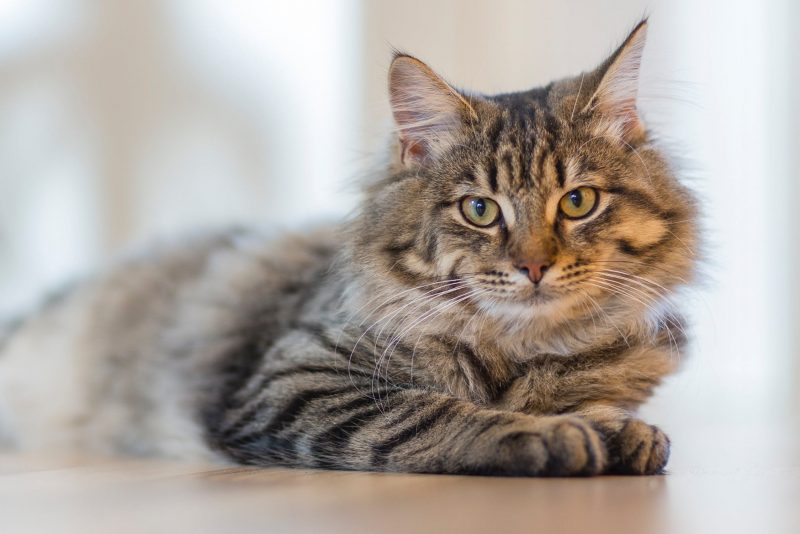
Cats are independent and playful creatures, cherished as household pets. From fluffy Persians and sleek Siamese to regular moggies and rescue kitties, vocabulary associated with cats includes kitten, meow, litter box, feline, grooming, purring, cat tree, cat nip, cat mint, window perch and scratching post.
Birds
Birds make delightful pets for those who enjoy their melodious songs and vibrant plumage. Common pet birds include parakeet, canary, cockatiel and budgerigar. Words associated with birds include cage, perch, wings, beak, chirping, singing, feathers, flight and aviary.
Fish
Fish tanks provide a tranquil ambience in homes and offices, housing an array of colorful aquatic creatures. Vocabulary related to pet fish includes goldfish, tropical fish, aquarium, filter and tank.
Rabbits
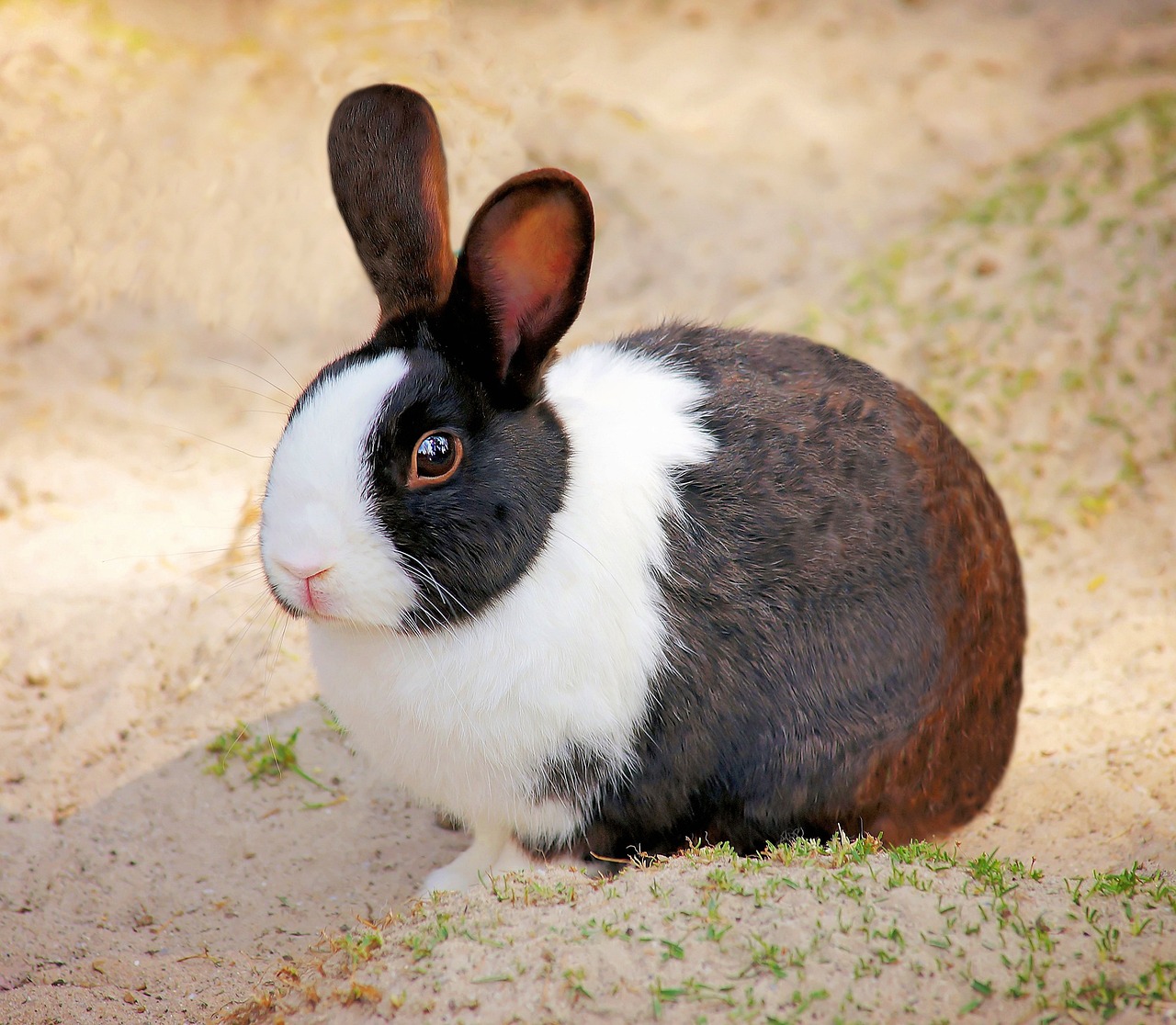
Rabbits are adorable, furry creatures known for their long ears, fluffy tails and boundless energy. Words related to rabbits include burrow, warren, hutch, nibble, hop, twitch, thump, and lettuce.
Wild Animals in English
Lions
Lions are majestic creatures known as the “kings of the jungle” for their regal appearance and dominance in the wild. Vocabulary associated with lions includes lioness, mane, roar, pride, hunt, prowl, savannah, safari, den, paw and safari.
Elephants
Elephants are gentle giants revered for their intelligence and strength. Words related to elephants include tusk, trunk, herd, ivory and savannah.
Tigers
Tigers are formidable predators with striking striped coats and powerful hunting skills. Vocabulary associated with tigers includes predator, endangered species, Bengal tiger, Sumatran tiger, growl, stripes, bid cat, jungle, prey and cub.
Bears
Bears are iconic symbols of the wilderness, ranging from grizzly bears to polar bears. Words related to bears include hibernation, claws, den, forest, salmon, black bear, brown bear, growl, paws, habitat and forest.

Farm Animals in English
Cows
Cows are gentle herbivores commonly found on farms, valued for their milk and meat. Vocabulary associated with cows includes moo, udder, pasture, milk, udder, barn, dairy cow, bull, cattle, beef, cud, livestock, bovine, grazing, dairy farming.
Chickens
Chickens are domesticated birds raised for their eggs and meat, with a variety of breeds worldwide. Female chickens are also called hens, while males are cockerels in the UK and roosters in the United States. Words related to chickens include cluck, coop, peck, feathers, comb, hatch, egg, perch, free-range.
Sheep
Sheep are woolly mammals prized for their fleece and meat, often seen grazing in pastures. Females are ewes, while males are rams. Vocabulary associated with sheep includes baa, flock, wool, fleece, shear, graze, pasture, shepherd, herd, lamb, mutton and lamb chop.
Horses
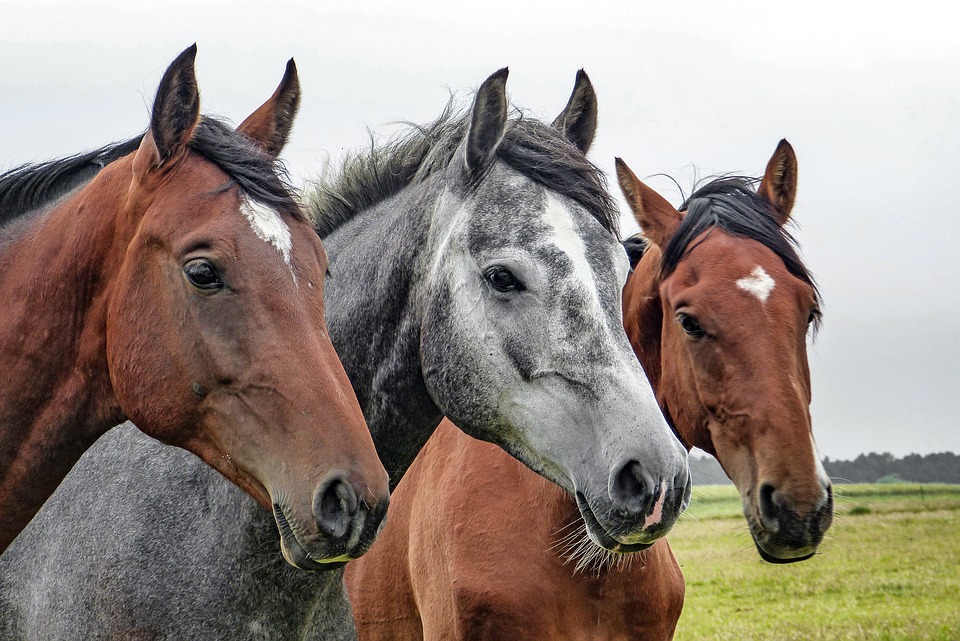
Horses are farm animals known for their beauty, strength and versatility. Words related to horses include neigh, stallion, mare, foal, colt, gelding, equine, saddle, bridle, bit, mane, trot, pasture, paddock, thoroughbred, pony and gallop.
Animals in the TEFL classroom
Whether you’re describing your favorite pet, talking about farming and livestock, or discussing wildlife conservation, learning these words enhances your ability to express yourself more fully in English.
Knowing words for many different animals and their associated vocabulary will enrich your language skills and improve your ability to communicate in English, while deepening your appreciation for the natural world. This is a great topic for a context-based or CLIL lesson, as the animal world is an engaging topic for most students.
EFL lesson ideas to practise animal vocabulary
Animal Guessing Game
Students can practise describing animals using basic adjectives and verbs. E.g.”It’s big, it lives in Africa, it has a long trunk.” The other students guess: “Is it an elephant?” This works well in teams or pairs. You could also ban certain words that make it too obvious, such as “tail” or in this example “trunk” to make it harder to guess.
Habitat Matching Game
Students can build their vocabulary by matching habitats with animals. They can sort them into groups such as farm animals, wild animals, pets, sea animals and jungle animals. This can then turn into a writing or speaking exercise, where students create sentences like “A whale lives in the ocean” and “A cow lives on a farm.” This also helps to practise prepositions (e.g. “on” and “in”).
Design a New Animal
Students can have fun inventing a new animal by combining features of two or more real ones. E.g. They can create a dog with wings. They can draw their animal and describe what it looks like, what is eats, where it lives, etc. Each group presents their creation to the class and other students can ask questions.
Debate: Zoos and Animal Conservation
Students can have a debate about animal welfare, such as the ethical concerns over animals in zoos and safari parks, while balancing the need for animal conservation and breeding programmes. This is ideal for more advanced students.
Roleplay: At the Vet’s
Students work in pairs to roleplay a vet visit. The “owner” brings in their pet with a problem, e.g. “My cat isn’t eating” or “My dog hurt his paw.” The “vet” asks questions and gives advice, e.g. “How long has it been ill?” Students can use animal vocabulary (e.g. fur, tail, claws, feathers) and health-related expressions (e.g. check-up, treatment, symptoms).